Commission-free click-and-collect restaurants: how to stop paying Uber Eats and Deliveroo
€600 in click-and-collect turnover per day. €200 goes to Uber Eats in commission.
This is the dilemma facing thousands of independent restaurant owners in France in 2026. And most have come to accept it as inevitable. Yet there is a simple, accessible alternative that involves no commission on your sales.
What you actually pay to the platforms
The figures are well known, but their actual impact on your profit margin is rarely taken into account.
In 2026, the commissions charged by the major platforms will range from 25% to 35% of pre-tax turnover for Uber Eats and Deliveroo, according to analyses of the catering sector.”
To put this into perspective: the average net margin for a French restaurant is between 8% and 12% of turnover. When Uber Eats takes 30% from every order, you are literally selling at a loss on the delivery.
The real question in 2026 is no longer “Deliveroo or Uber Eats?” but “how can we build an online sales channel that isn’t entirely dependent on them?”
Why restaurant owners stick with the platforms despite everything
Before we talk about solutions, let’s be honest about the reasons why restaurant owners stay in the business.
Visibility — Uber Eats covers 85% of the French population. Your restaurant is visible to millions of users without any marketing effort on your part. It is a powerful customer acquisition channel.
Logistics — Delivery drivers are managed by the platform. There’s no need to recruit staff, organise delivery routes or provide a vehicle.
Simplicity — It’s quick to set up, and the system runs itself.
These benefits are real. The problem is that many restaurant owners use these platforms both as a customer acquisition channel AND as a customer retention channel. However, retaining a customer on Uber Eats is the same as retaining an Uber Eats customer — not a customer of your restaurant. You don’t get their data, your relationship with them, or their next order.
The winning strategy is to treat platforms for what they are: a source of new customers – costly but effective – whose clientele must then be migrated to a direct and profitable channel.

Direct click-and-collect: how it works
Commission-free click-and-collect is simple: your customer places an order and pays directly via your own platform — with no middleman and no commission.
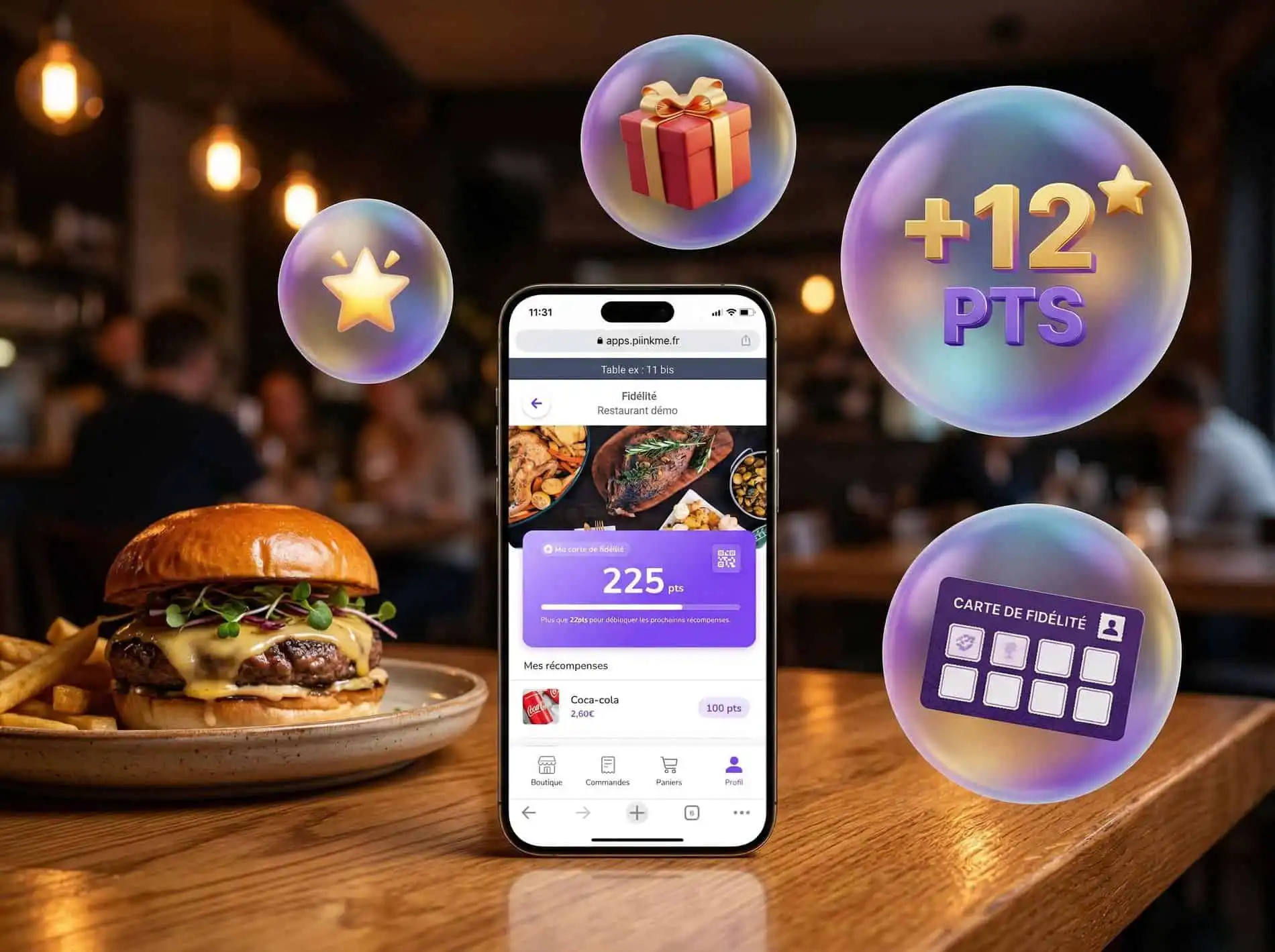
With PIINK Me, this is how it works:
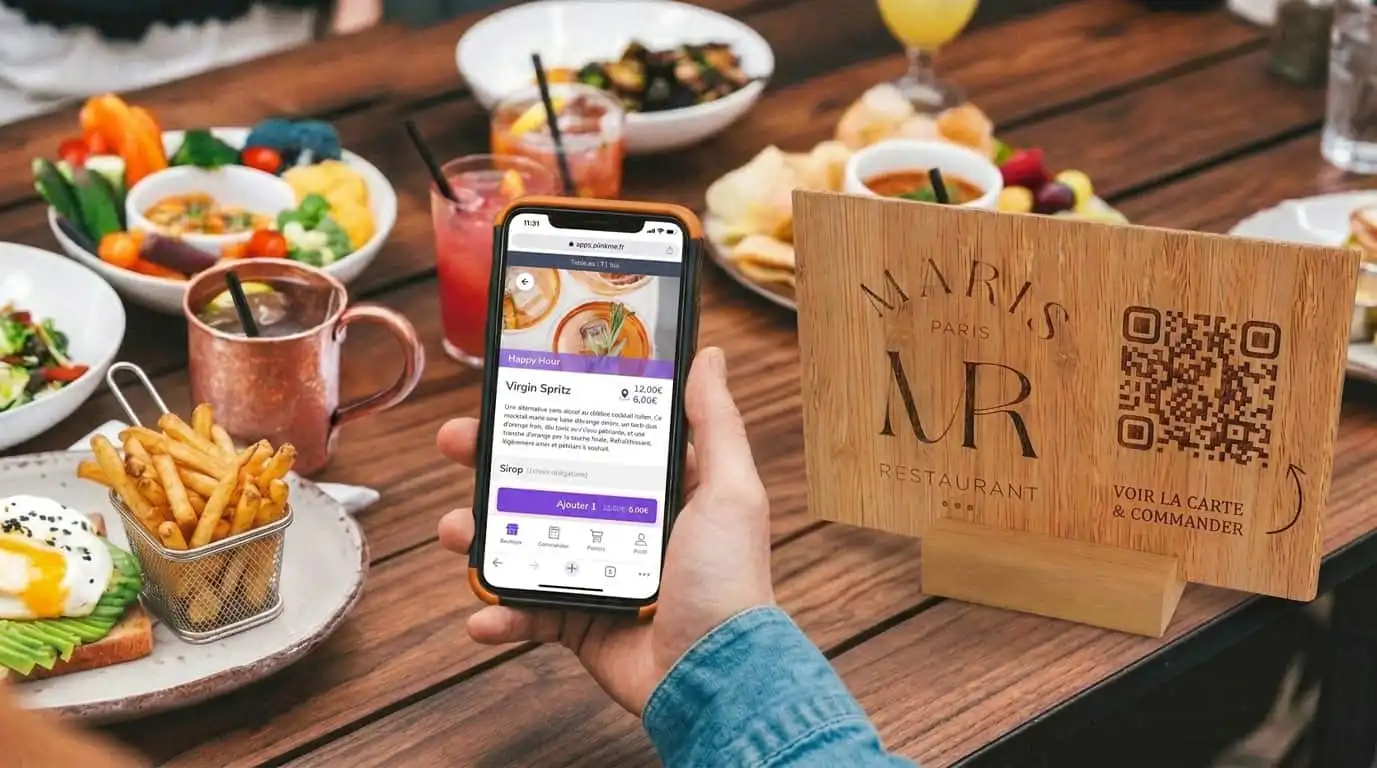
1. Your online catalogue You can create your menu online via your back-office: dishes, set menus, prices, photos, options. Everything you want to offer for collection.
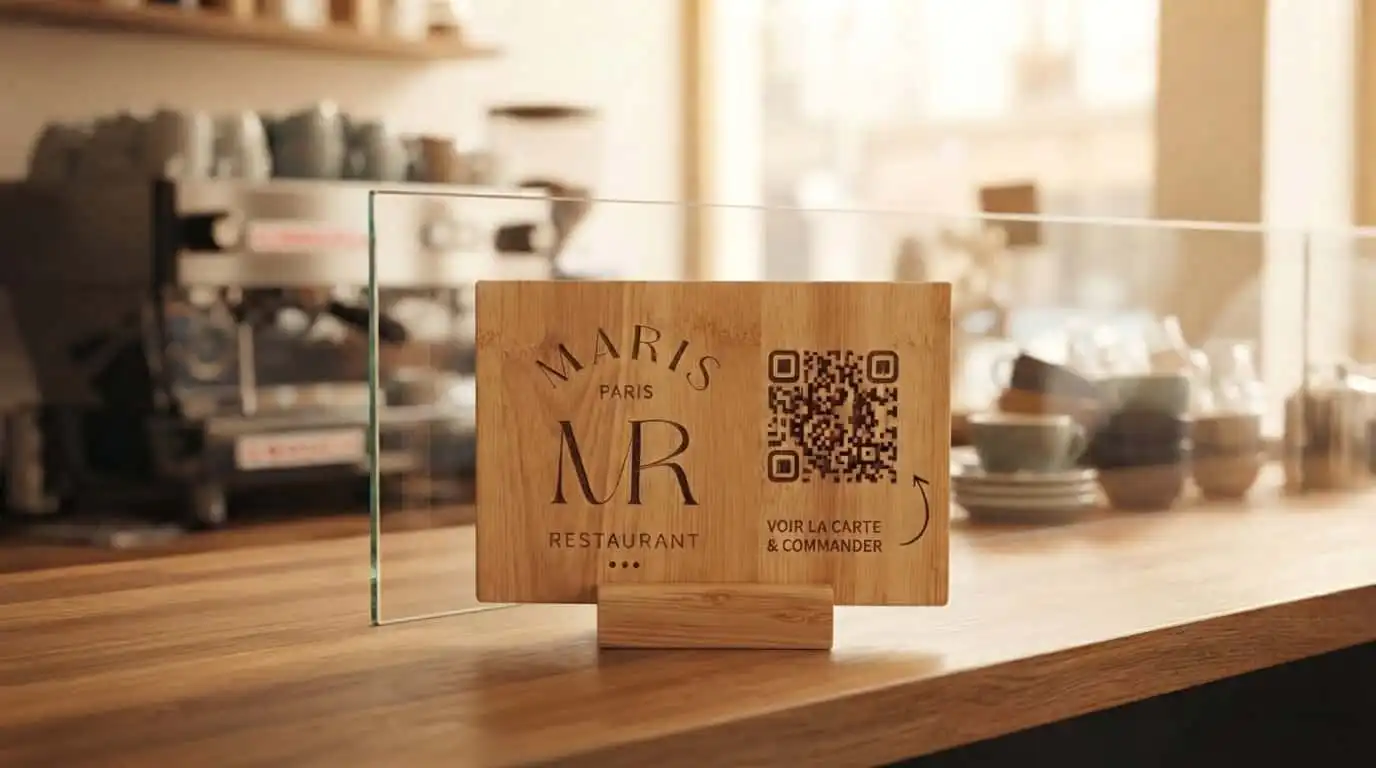
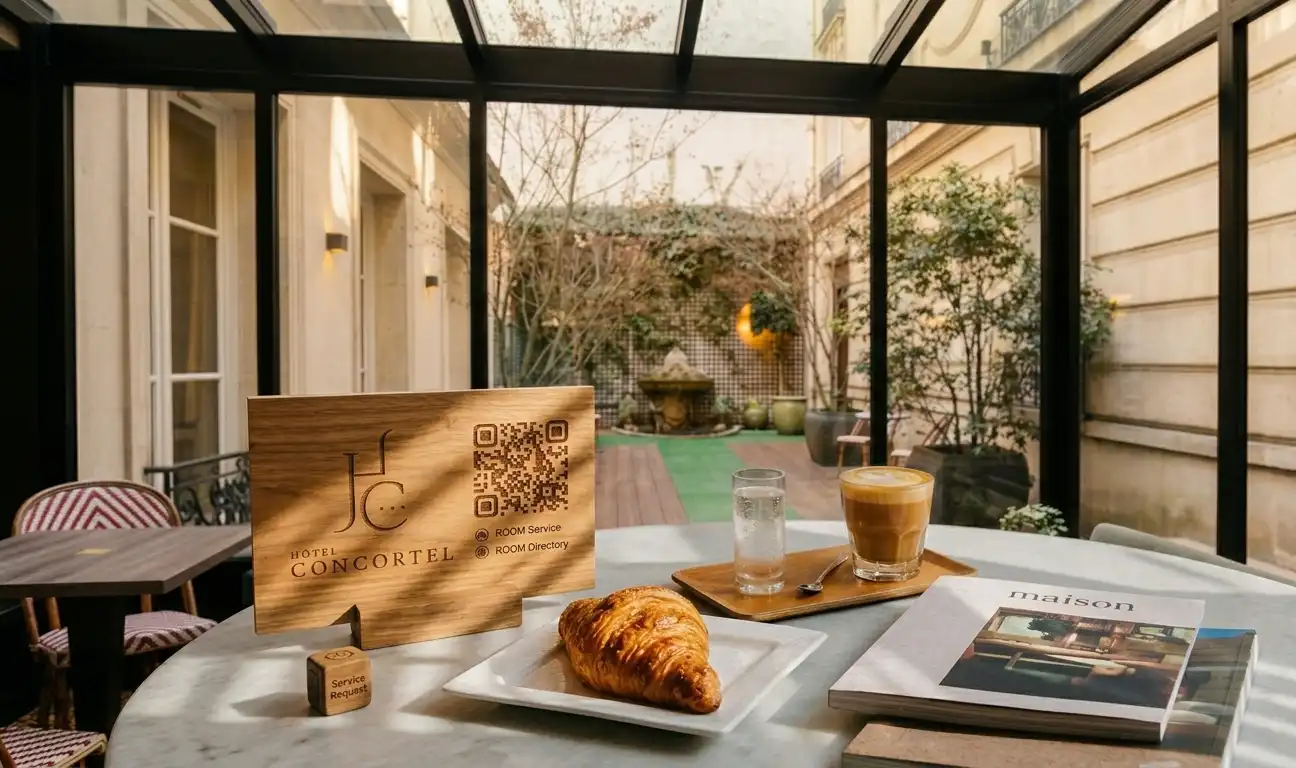
2. A QR code or a direct link Your customers access your interface via a QR code displayed at the till, in your shop window, on your Instagram, or via a link sent by text message. One scan, and they’ve placed their order.
3. The order arrives in real time You receive the order directly, along with the customer’s name and their chosen collection slot. You prepare and label the order. When the customer arrives: 30 seconds.
4. No commission PIINK Me operates on a fixed monthly subscription basis. Every euro received from a direct order stays in your account.
What you get with a direct channel
As well as saving on commission, direct click-and-collect gives you back something that the platforms have taken away from you: customer relations.
The data — When a customer places an order via Uber Eats, Uber knows that customer. When they order directly from you, it is you who know that customer — their order history, their preferences, their email address or their phone number.
Customer loyalty — You can send them a special offer, let them know about a new item on the menu, or offer them a loyalty scheme. On Uber Eats, that’s not possible.
Brand image — Your ordering interface features your restaurant’s colours, not Uber’s. Your customers are ordering from you, not through an intermediary.
The average shopping basket — On your own interface, you choose what to highlight. You can suggest side dishes, highlight the dish of the day, or recommend a dessert. Your customers take the time to have a look — and order more.
The hybrid strategy: retaining platforms without becoming dependent on them
The aim is not to leave Uber Eats overnight — that’s unrealistic and counterproductive if you already have an established volume of business. The aim is to gradually reduce the proportion of your turnover generated by platforms.
The ideal layout for a restaurant opening in 2026:
- 60% direct orders (Click & Collect PIINK Me, loyal customers)
- 25% main platform (acquiring new customers)
- 15% secondary platforms (additional visibility)
To achieve this, the key is the migration : Every customer placing their first order via Uber Eats should be encouraged to place their next order directly. In practical terms:
- A QR code on your packaging with a welcome offer (-10% off your next direct order)
- A regular Instagram post with a direct purchase link
- A sticker in the shop window reading “Order directly and save on service charges”
It’s not aggressive, it’s not against the platforms’ terms and conditions, and it works.

How this affects your cash flow
Let’s take a practical example:
A restaurant that... 150 orders a month via Uber Eats, with an average basket value of 25€ :
- Delivery turnover: €3,750 per month
- Uber Eats Commission (30%): €1,125 per month paid to Uber Eats
If you migrate 40% of these live orders (60 orders):
- €1,500 in recovered turnover commission-free
- PIINK Me cost: fixed monthly subscription
- Net saving: several hundred euros a month
Over 12 months, that’s several thousand euros in recovered profit — without working any harder, without taking on new staff, and without changing your kitchen.
Frequently asked questions
Will my customers really use direct ordering rather than Uber Eats? Yes, provided you make it easy for them to access. A QR code at the till and a link in your Instagram bio are enough for regular customers. Those who know you and enjoy your restaurant often prefer to order directly — especially when they realise they’re avoiding the service charges that the platform passes on to the customer.
Do you need delivery drivers to offer a click-and-collect service? No — ‘click and collect’ means ordering online and collecting your order in-store. No delivery, no external logistics. Your customer comes to collect their order.
Can I offer click-and-collect AND stay on Uber Eats? Yes, and it’s actually recommended to start with that. The two channels work perfectly well alongside each other.
How do my customers know that I offer direct ordering? Via the QR code in the shop window and at the till, via your social media channels, and via the packaging of your Uber Eats orders, which may feature your direct contact details.
Is it difficult to set up? No — PIINK Me is designed for non-technical users. It takes a few hours to set up, and our team will guide you through every step.
Conclusion
Uber Eats and Deliveroo do have their uses — for attracting new customers, testing a market, and maintaining order volumes. But allowing them to take 30% of your turnover without developing an alternative is effectively capping your profitability.
Direct click-and-collect is not a revolution. It is a simple business decision, accessible to any independent restaurant, which can significantly change your bottom line over a 12-month period.
Discover the PIINK Me click-and-collect solution →
Article written by the PIINK Me Team - Digital solutions for the hospitality industry